


The sun provides warmth, light, and essential vitamin D, but prolonged exposure can also cause significant damage to your skin. Whether you’re soaking up the sun for a day at the beach or just running errands outdoors, understanding how the sun affects your skin and how to protect it is essential to maintaining healthy, youthful skin.
In this blog, we’ll dive into how the sun impacts your skin and provide effective ways to safeguard your skin from harmful UV rays.
How the Sun Affects Your Skin
When your skin is exposed to sunlight, it interacts with ultraviolet (UV) radiation. There are two main types of UV rays that affect the skin:
-
UVA Rays: These rays penetrate the skin deeply and are responsible for premature aging and wrinkles. UVA rays can pass through windows and are present year-round, so you can still be exposed to them even on cloudy days or indoors.
-
UVB Rays: These rays primarily affect the outer layer of the skin and are the main cause of sunburn. UVB exposure is strongest during the summer months and can cause immediate damage, leading to redness and peeling.
Both UVA and UVB rays contribute to the formation of free radicals, which damage the skin's collagen and elastin fibers, leading to signs of aging and other skin issues.
The Risks of Sun Exposure
Prolonged and unprotected sun exposure can lead to several skin concerns:
1. Sunburn
The most immediate effect of UVB exposure is sunburn. Sunburn occurs when your skin gets too much exposure to UV radiation, causing inflammation, redness, and pain. Repeated sunburns over time can cause permanent damage to the skin, leading to an increased risk of skin cancer.
2. Premature Aging (Photoaging)
Exposure to UVA rays accelerates the breakdown of collagen and elastin in the skin, which are responsible for maintaining the skin's structure and elasticity. This results in sagging skin, wrinkles, fine lines, and age spots, commonly referred to as photoaging.
3. Skin Cancer
One of the most serious risks of excessive sun exposure is an increased risk of skin cancer, including basal cell carcinoma, squamous cell carcinoma, and melanoma. UV radiation damages the DNA in skin cells, which can lead to mutations and, eventually, skin cancer.
4. Hyperpigmentation and Sunspots
Excessive sun exposure can cause dark spots and uneven skin tone, a condition known as hyperpigmentation. These sunspots are more common in individuals with darker skin tones but can affect anyone. UV rays trigger an overproduction of melanin, resulting in discoloration.
How to Protect Your Skin from the Sun
Fortunately, there are effective ways to protect your skin from harmful UV rays and prevent long-term damage.
1. Apply Sunscreen Every Day
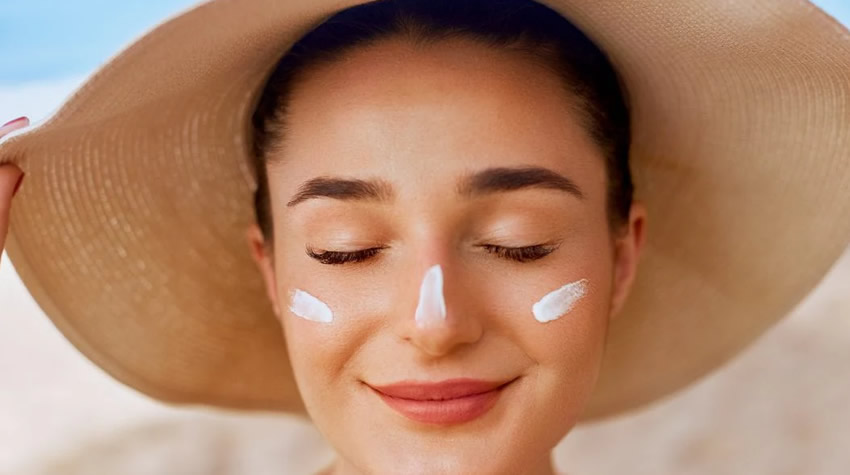
Sunscreen is your first line of defense against UV rays. Always use a broad-spectrum sunscreen that protects against both UVA and UVB rays with a minimum SPF of 30. Apply sunscreen 15-30 minutes before going outside and reapply every 2 hours, especially if you're swimming or sweating.
Tip: Don’t forget areas like the ears, neck, and the backs of your hands, as they’re often overlooked but are vulnerable to sun damage.
2. Seek Shade
Whenever possible, try to stay in the shade, especially during peak sun hours (between 10 a.m. and 4 p.m.) when the sun’s rays are strongest. If you’re outside during these hours, find a shaded area under a tree or umbrella to minimize direct sun exposure.
3. Wear Protective Clothing
Clothing can act as a physical barrier against the sun. Look for lightweight, long-sleeved shirts, wide-brimmed hats, and sunglasses with UV protection. Clothing with an UPF rating (Ultraviolet Protection Factor) provides additional protection against UV rays.
4. Avoid Tanning Beds
Tanning beds emit UVA and UVB rays, which increase your risk of skin damage and skin cancer. It's best to avoid tanning beds altogether and opt for a safer alternative like self-tanning lotions or sprays if you desire a tan.
5. Stay Hydrated
Sun exposure can dehydrate your skin, leading to dryness and irritation. Drinking plenty of water throughout the day helps keep your skin hydrated and supports overall skin health. You can also use hydrating skincare products to replenish moisture lost due to sun exposure.
6. Use After-Sun Care
If you’ve been in the sun for an extended period, use soothing products that help repair your skin. Aloe vera gel, after-sun lotions, or cooling gels can provide relief from sunburns and reduce redness and inflammation. Additionally, these products can help lock in moisture to aid the skin’s healing process.
Conclusion
While the sun has many benefits, such as providing Vitamin D and enhancing our mood, it also poses risks to our skin's health. Understanding the dangers of UV radiation and taking proactive measures to protect your skin is crucial for maintaining youthful, healthy skin. By incorporating sunscreen, wearing protective clothing, and limiting sun exposure, you can enjoy the outdoors safely while minimizing the long-term effects of sun damage.
Remember, healthy skin is beautiful skin — so make sun protection a part of your daily skincare routine!